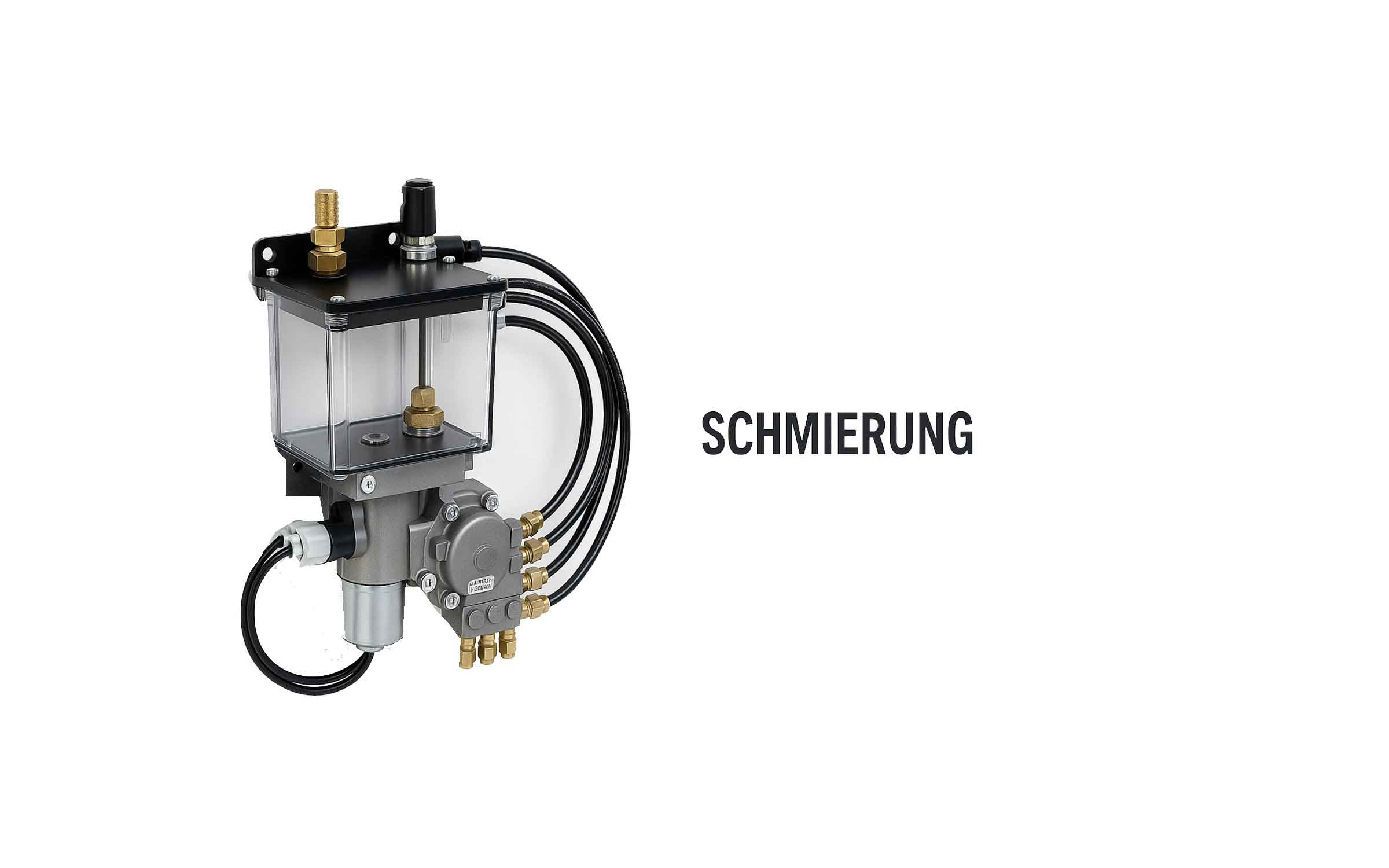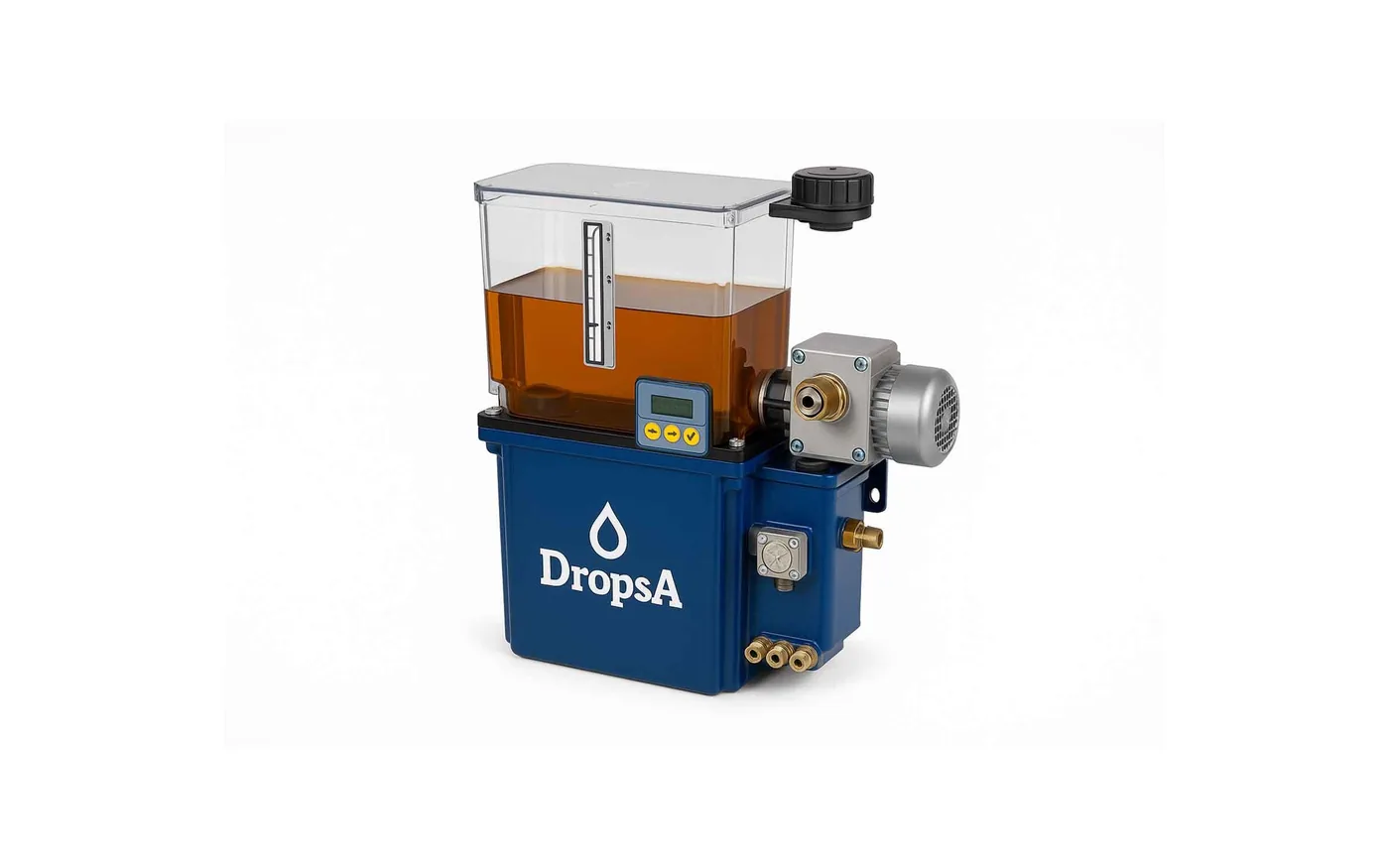
Single-line lubrication is strong when defined amounts of lubrication are required at clearly defined points. In practice, it is particularly valuable when the medium, dosing logic and process fit together neatly.
In-depth on the topic: further technical basics for central lubrication and Correctly design the progressive system. These contributions complement the system decision in practice.
What makes introductions special in practice
In contrast to more networked or large-scale systems, the introduction depends on its clear dosing task. The strength lies less in maximum expansion than in the orderly supply of individual or small groups of lubrication points.
This is precisely why it is valued in many industrial applications where precision and traceability are more important than large reserves in the network.
Typical applications
Introduction is often particularly useful for guides, smaller machines, chains or oil-related tasks. It is a good fit for applications in which a defined dosing behavior is required and lubricant must arrive in a targeted manner.
However, it is usually not the first choice for heavy mobile grease applications. It is precisely this demarcation that is important in practice so that the system is not used beyond its strengths.
- Strong at a defined dosage
- Typical in oil related applications
- Not automatically the best solution for large networks
Which mistakes should be avoided
A common mistake is transferring introduction to tasks that require more of a robust grease system or a larger network. Equally problematic is the underestimation of timing and medium. If the dosing task is not clearly described, introduction quickly loses its advantage.
If the oil pump and dosing request are coordinated too late, the system can be set up but cannot be operated smoothly.
Commercial significance
Single-line lubrication is economically strong when it solves a precise task cleanly with manageable effort. The economic efficiency lies not in the largest system, but in the best possible fit for the application.
Especially in Germany, where many projects arise from production stability and retrofitting, this point is equally relevant for procurement and technology.
Practical recommendation
Document lubrication points, medium and desired dosing quality. If these three points are clear, Introduction can be quickly differentiated from other systems.