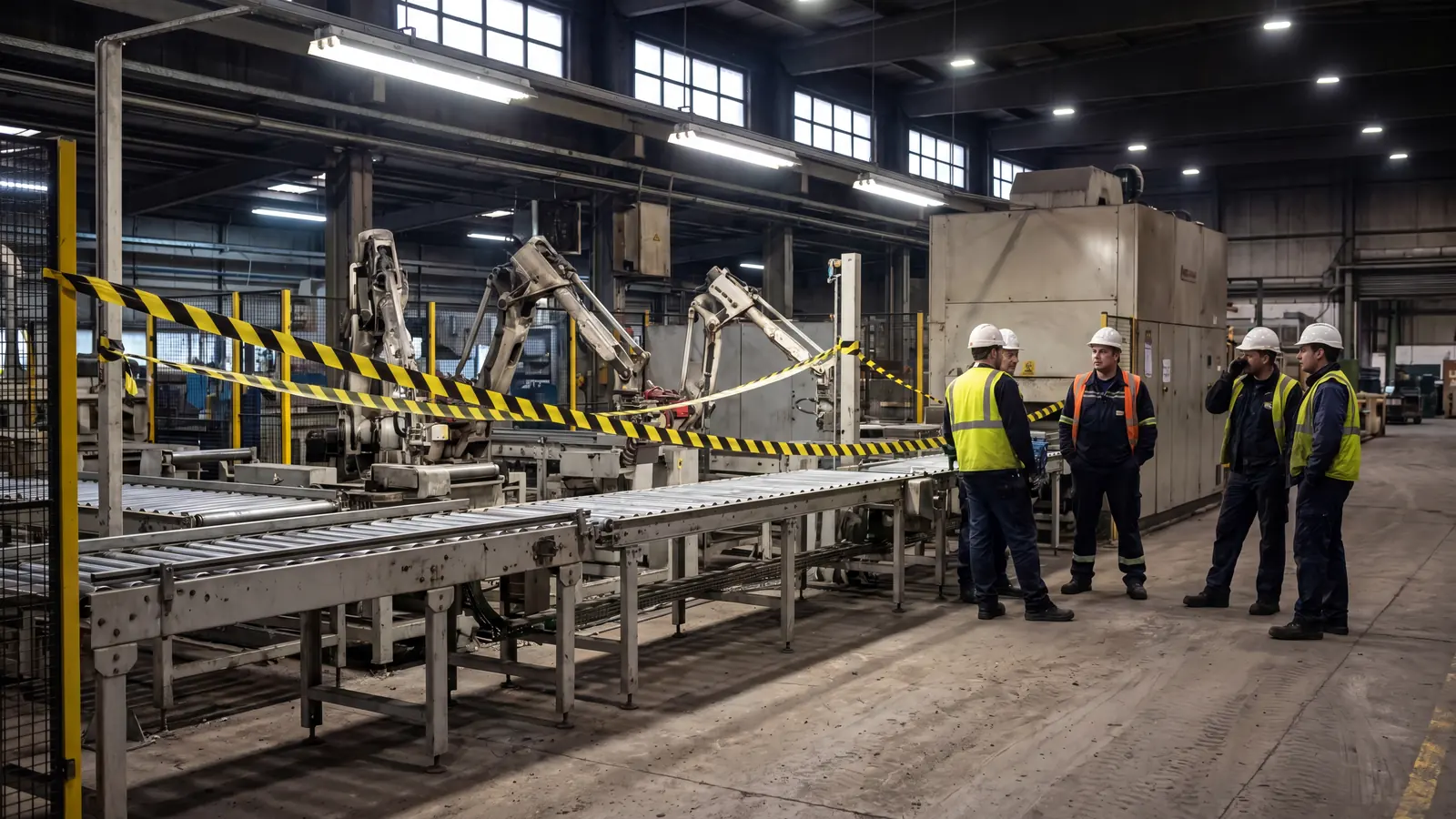
Unplanned downtime due to lubrication rarely results from a large, isolated error. Much more often, there are small, recurring weaknesses in medium, dosage, maintenance or system selection that accumulate during ongoing operation.
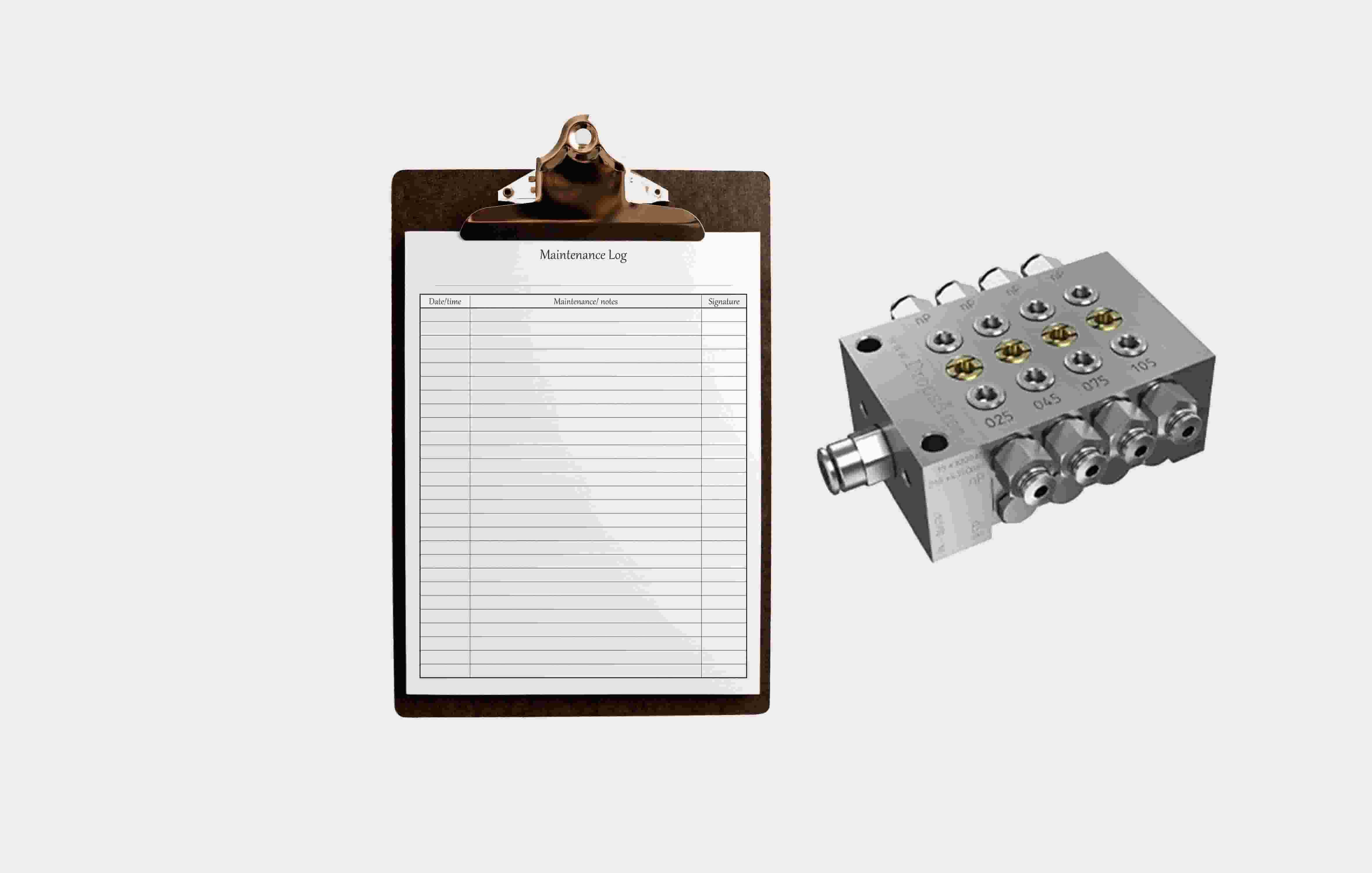
In-depth on the topic: more about maintenance routines and more about maintenance documentation. These contributions complement the system decision in practice.
Why lubrication is so often an underestimated reason for downtime
In many systems, lubrication only becomes visible when a bearing is running hot, a guide is jerking or a distributor is blocked. However, the actual process that led to this begins much earlier. This is exactly why lubrication is a classic trigger for avoidable downtime.
The problem lies not only in the technology, but often in the interaction between routine, responsibility and system boundaries. If you understand this connection, you can prevent failures much earlier.
The biggest levers in practice
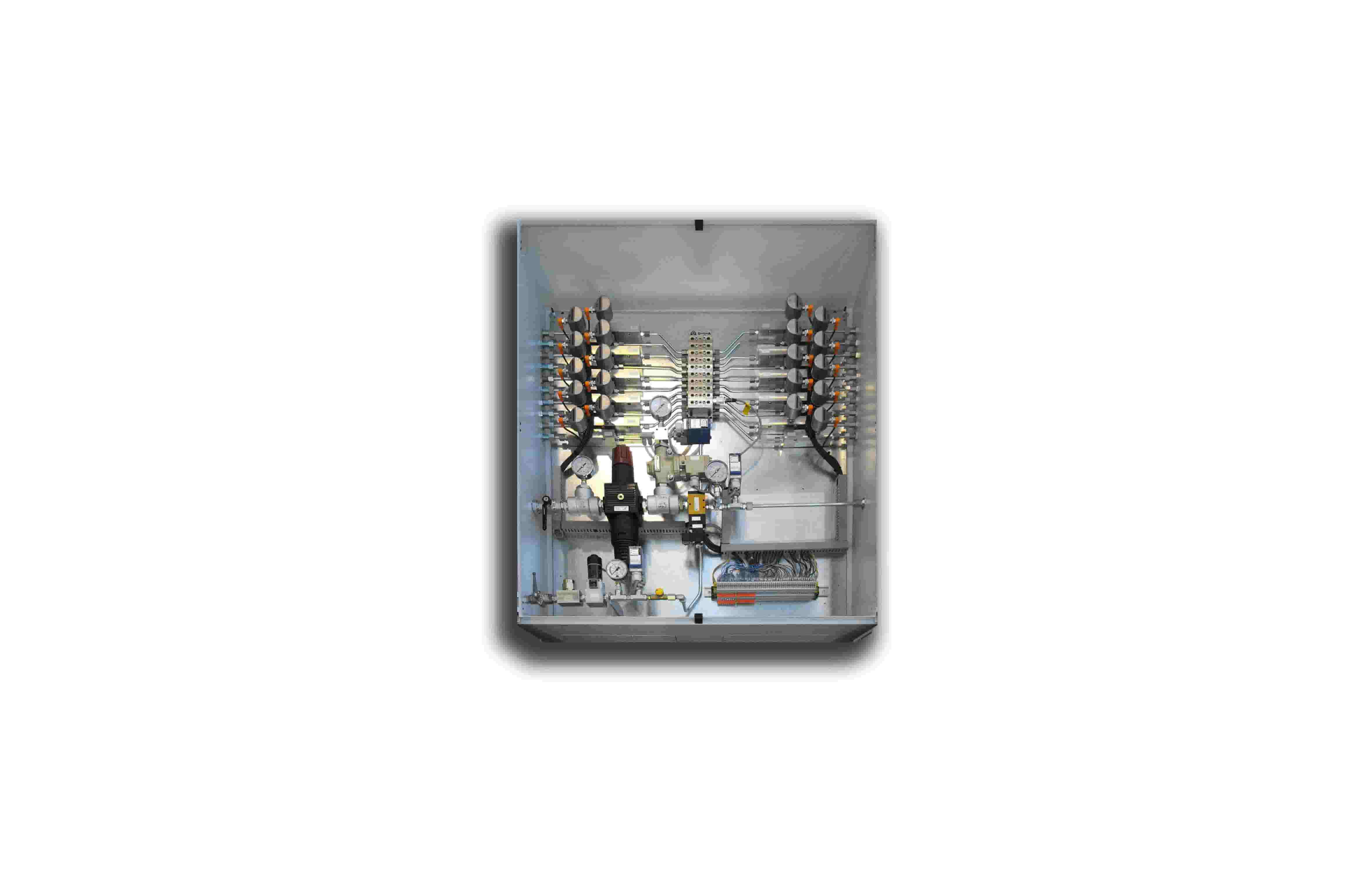
The first lever is a suitable system choice. If the pump, medium and distribution logic suit the application, the potential for disruption is significantly reduced. The second lever is monitoring. Level, pressure and function should not only be present, but also evaluated in everyday life.
The third lever is maintenance quality. Central lubrication does not replace attention, but concentrates it on a few critical points. It is precisely this bundling that makes good maintenance economically strong.
- Derive system selection early from the real network picture
- Actively use monitoring instead of just installing it
- Focus maintenance on critical system points
Which weaknesses become particularly expensive
The most expensive weaknesses include recurring undersupply, lack of refill routine, unexplained leaks and inadequate response to fault reports. The problem is that these issues are often considered a small matter until they cause a major consequence.
Particularly in cycle-intensive industrial plants, short but recurring interruptions are often more economically serious than rare, major damage.
Standstill as an economic argument
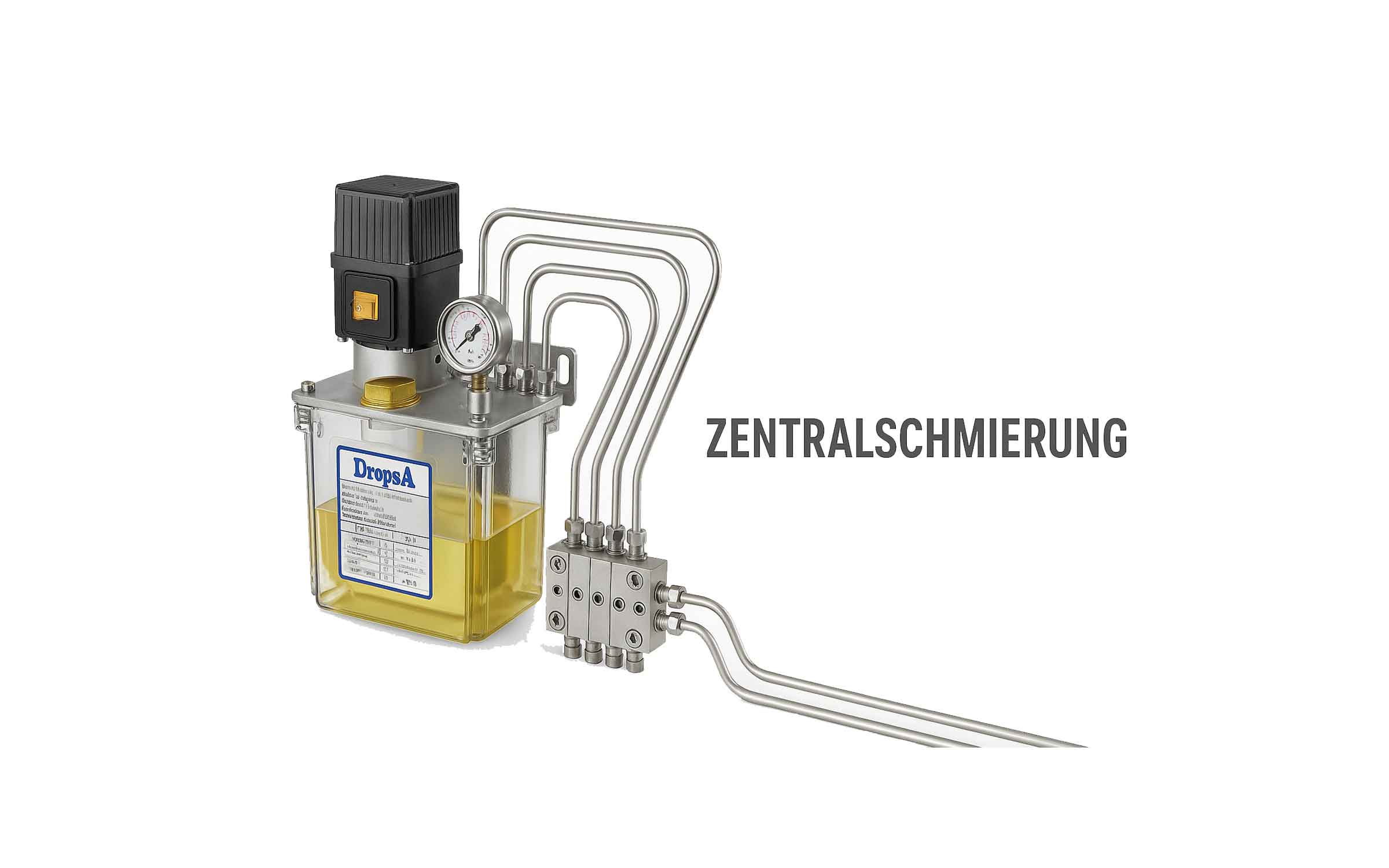
Anyone who understands lubrication as an availability lever argues not only from a technical point of view, but also from a business point of view. This is precisely what makes lubrication pumps, central lubrication and retrofit projects easier to convey internally.
This is crucial for many German companies because investments in lubrication technology are often initiated for maintenance reasons but have to be justified to production or management.
Practical recommendation
Analyze the causes of downtime not only based on the last symptom, but also based on recurring patterns in lubrication, maintenance and messages. This usually results in a very clear action plan.